

Bikes Exercise For Sale
Add a review FollowOverview
-
Founded Date May 5, 2001
-
Sectors finance
-
Posted Jobs 0
-
Viewed 49
Company Description
10 Things Everybody Gets Wrong About Gym Bicycle
The Gym Bicycle: An Essential Tool for Fitness Enthusiasts
Intro
In the ever-evolving landscape of the fitness industry, gym bicycles have become one of the most popular tools. With a mix of cardiovascular exercise and strength-building capacity, stationary bicycles offer an effective way to improve physical fitness, lose weight, and improve general health. This article delves deeply into the various kinds of gym bicycles, their advantages, and how to incorporate them into a fitness regimen.
Types of Gym Bicycles
Gym bicycles can be found in different kinds, each catering to different fitness requirements and choices. Below is a comprehensive table showcasing the main types of gym bicycles readily available:
| Type of Gym Bicycle | Description | Suitable For |
|---|---|---|
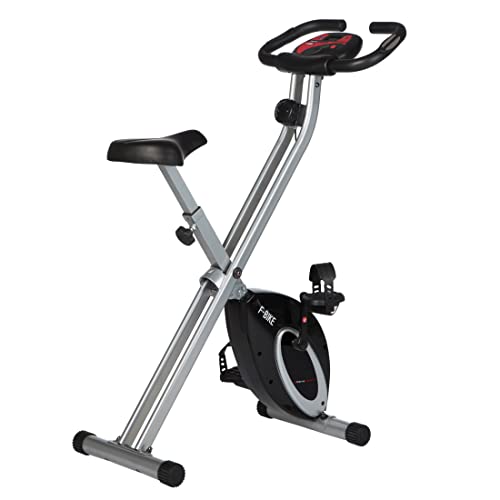
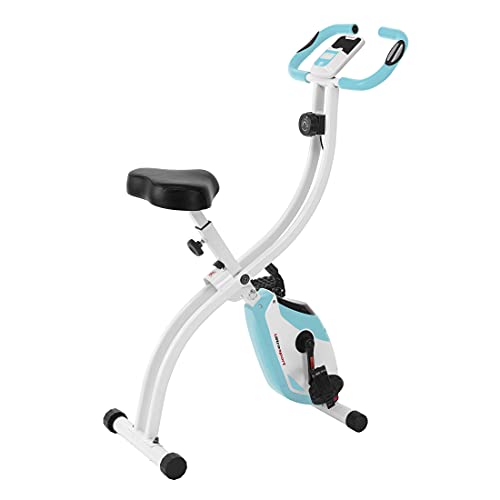
| Upright Bike | Imitates a conventional road bicycle; users cycle in a seated position. | Those trying to find a high-intensity workout. |
| Recumbent Bike | Features a larger seat and back support, leaning users back throughout biking. | Individuals with pain in the back or movement issues. |
| Spin Bike | Developed for extreme cycling sessions, frequently used in group classes. | Spin lovers and advanced cyclists. |
| Air Bike | Utilizes fan resistance; the much faster the pedaling, the greater the resistance. | High-intensity interval training (HIIT) fans. |
| Hybrid Bike | Integrates functions of different types, providing versatile use. | General fitness lovers looking for a balanced workout. |
Benefits of Using Gym Bicycles
Gym bicycles use numerous benefits for people looking for to improve their fitness journey. Here are some significant advantages:
-
Cardiovascular Fitness: Cycling helps reinforce the heart and lungs, enhancing total cardiovascular health.
-
Low-Impact Exercise: Unlike running, cycling is simpler on the joints, making it a suitable alternative for people with arthritis or those recovering from injury.
-
Weight Loss and Fat Burning: Regular biking sessions can burn a considerable variety of calories, assisting in weight-loss efforts.
-
Muscle Tone and Strength: Cycling engages numerous muscle groups, including the quadriceps, hamstrings, calves, and glutes, assisting in muscle toning.
-
Enhanced Coordination and Balance: Cycling needs core stabilization, consequently enhancing general body coordination and balance.
-
Mental Health Benefits: Engaging in physical activity, consisting of biking, releases endorphins, assisting to improve state of mind and reduce tension levels.
How to Incorporate Gym Bicycles into Your Routine
Including gym bicycles in an exercise regimen can be seamless and satisfying. Here is a suggested plan for incorporating biking exercises:
Setting Goals
- Define your fitness goals: Determine whether you’re aiming to reduce weight, build endurance, or simply remain active.
Arrange Cycling Sessions
- Frequency: Aim for a minimum of 3– 5 biking sessions weekly.
- Duration: Start with 20– 30 minutes per session and slowly increase to 60 minutes as endurance builds.
Varying Intensity
- Period Training: Alternate in between periods of high-intensity cycling and lower-intensity recovery, such as:
- 1 minute of fast pedaling
- 2 minutes of sluggish recovery
Monitor Progress
- Track Workouts: Use fitness apps or wearable gadgets to keep a record of biking duration, distance, and intensity.
Frequently Asked Questions About Gym Bicycles
1. What are the distinctions in between upright bikes and recumbent bikes?
Upright bikes simulate traditional bicycles, encouraging an upright position that engages the core more actively. Recumbent bikes use back support and a reclined position, making them more comfortable for users with back issues.
2. Can I reduce weight by utilizing a gym bicycle?
Yes, utilizing a gym bicycle can be a reliable part of a weight reduction strategy, especially when combined with a well balanced diet plan and a caloric deficit.
3. How can I prevent pain while cycling?
Ensure your bike is properly gotten used to fit your height. Additionally, consider padded shorts and shoes for extra convenience throughout longer sessions.
4. Is it safe for older grownups to use gym bicycles?
Yes, stationary bicycles are normally safe for older grownups, as they supply a low-impact form of exercise that can improve cardiovascular fitness without extreme pressure on the joints.
5. How frequently should I utilize a gym bicycle?
Go for at least 3– 5 times per week, changing frequency based upon fitness levels and individual objectives.
Gym bicycles offer a multifaceted method to physical conditioning, dealing with various requirements while engaging users in a reliable cardiovascular Exercise Bike In Home. Whether one chooses an upright bike for extreme sessions or a recumbent bike for comfort, these machines supply an exceptional opportunity for improving total health. With the ideal technique and commitment, incorporating gym bicycles into a routine can yield substantial advantages, leading to enhanced wellness and fitness.
In summary, the gym bicycle is not just a fitness tool; it is a stepping stone towards a much healthier way of life. As fitness lovers check out the breadth of options available, the gym bicycle stands apart for its adaptability and efficiency, showing that biking, whether stationary or on the roadway, is a classic activity that can be taken pleasure in by all.