

Acheter Un Permis De Conduire International
Add a review FollowOverview
-
Founded Date August 12, 2015
-
Sectors finance
-
Posted Jobs 0
-
Viewed 3
Company Description
12 Companies Leading The Way In Get French Driving License
How to Get a French Driving License: A Comprehensive Guide
Getting a driving license in France, particularly for migrants and immigrants, can be a complex and daunting process. The French driving system is well-structured however includes its own set of rules, requirements, and procedures that differ significantly from those in other nations. This short article provides a detailed introduction of how to browse the procedure of obtaining a French driving license, with vital steps, requirements, suggestions, and answers to frequently asked questions.
Summary of the French Driving System
Before diving into the steps required to obtain a French driving license, it is important to understand how the French driving system functions. The French federal government controls driving licenses, acheter un permis de conduire avec une carte de crédit stressing security and legal compliance.
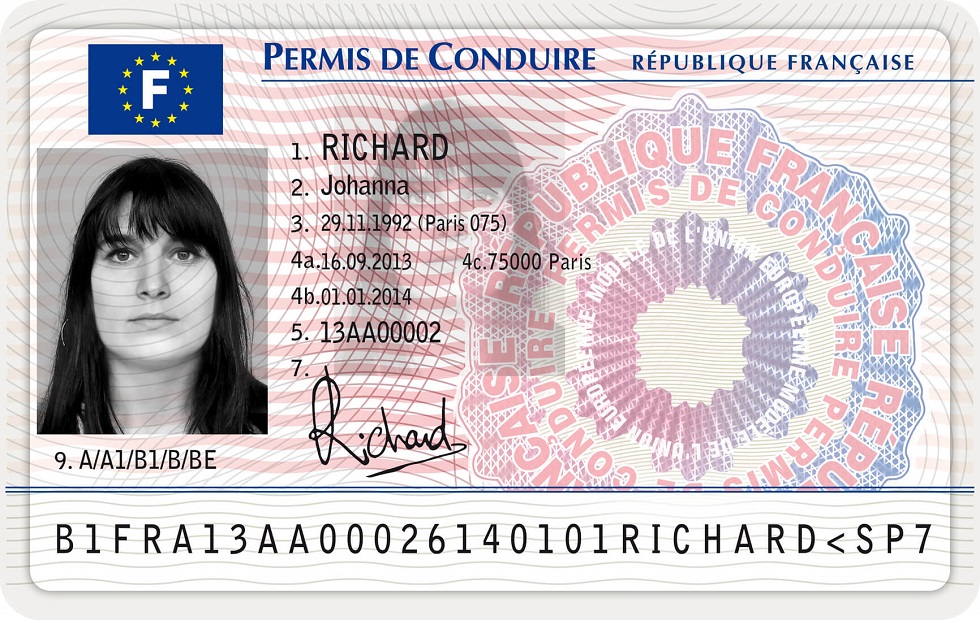
Here are bottom lines to note:
-
Types of Licenses: France concerns different types of driving licenses based upon automobile categories, including:
- Category A: Motorcycles
- Classification B: Cars
- Category C: Trucks
- Classification D: Buses
-
Age Requirements: The minimum age for obtaining a Category B driving license is 18 years.
-
Driving Schools: The driving test needs to be taken through an authorized driving school in France, called “auto-école.”
Actions to Obtain a French Driving License
The procedure of obtaining a French driving license usually includes several essential steps. Below is a comprehensive breakdown of these steps:
1. Evaluate Eligibility
Before beginning the application procedure, ensure you fulfill the following eligibility criteria:
- Minimum age of 18 for a Category B license.
- Legal residency or enough time spent residing in France.
- Non-EU citizens ought to inspect for particular requirements associated with their citizenship.
2. Prepare Necessary Documents
The following documents are required for looking for a French driving license:
- Proof of identity (passport or national ID)
- Proof of residency (utility bill, rental contract)
- The medical certificate (if suitable)
- Evidence of passing the needed driving exam (both theoretical and permis de conduire FrançAis pas cher practical)
- Recent passport-sized pictures
3. Register in a Driving School
Select a recognized driving school, referred to as “auto-école,” where you can receive the necessary training to pass both the theoretical and dry runs.
Elements to Consider When Choosing a Driving School:
- Location and accessibility
- Costs and payment options
- Reputation and trainee reviews
- Offerings of plans (theory classes, useful lessons, etc)
4. Take the Theoretical Test (Code de la Route)
Before you can drive on the roadway, you need to pass the theoretical test, referred to as the “Code permis de Conduire français légitime la Route.” This test examines your understanding of road indications, traffic guidelines, and finest driving practices.
Tips for Success:
- Study the main chauffeur’s handbook.
- Use online research study resources and practice tests.
- Attend theory classes used by your driving school.
5. Complete Practical Driving Lessons
When you’ve passed the theoretical test, you will begin practical driving lessons. The number of lessons differs, however the average is between 20 to 30 hours of driving direction.
6. Take the Practical Driving Test
Upon completing the required driving hours and Demande De Permis De Conduire FrançAis when you feel great in your abilities, schedule your useful driving test. This test assesses your driving ability in real traffic circumstances.
7. Send Your Application
After effectively passing both tests, send your application for your French driving license to your regional cops station or prefecture. The processing time can vary, but licenses are normally provided within a few weeks.
8. Receive Your Driving License
Once your application is processed, you will get your French driving license. Congratulations! You can now begin driving lawfully in France.
Crucial Considerations
- Driving License Validity: A French driving license is usually legitimate for 15 years for Category B licenses. After this period, a renewal process is essential.
- International Driving License: If you hold a driving license from another country, check if it’s legitimate for driving in France. You may require to exchange or transform it under particular conditions.
FAQs about Getting a French Driving License
1. Can I drive in France with an international license?
Yes, permis de Conduire français pas cher visitors can drive in France using an international driving permit (IDP) along with their nationwide driving license for approximately one year.
2. How long does it require to get a French driving license?
The entire process can take anywhere from a couple of weeks to a number of months, depending on the person’s preparedness and the scheduling of tests.
3. Is it needed to take driving lessons in France?
Yes, to pass the practical driving test, candidates must take lessons at an authorized driving school.
4. Are there any age limitations for driving a motorbike in France?
Yes, the minimum age for obtaining a motorcycle license (Category A) is 18, while specific licenses for smaller bikes may be available to those aged 16 or 17.
5. What should I do if I lose my French driving license?
If you lose your driving license, report it to the local police and apply for a replicate through the prefecture.
Obtaining a French driving license is a vital action for those aiming to live, work, or travel in France. The process requires time and comprehensive preparation however is achievable with the best info and devotion. By understanding the steps, preparing the required documents, and following through with driving lessons and tests, individuals can browse the French driving system effectively. As policies can evolve, it’s also necessary to remain updated or seek advice from local authorities for the most current info.