

Cheap Childrens Bunk Beds
Add a review FollowOverview
-
Founded Date November 22, 2010
-
Sectors Sales
-
Posted Jobs 0
-
Viewed 67
Company Description
What You Must Forget About Enhancing Your Sale Bunk Bed
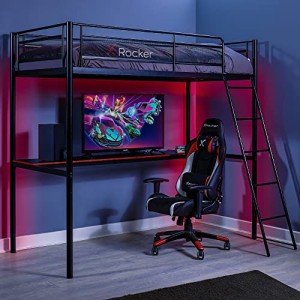
Exploring the Trend of Sale Bunk Beds: A Comprehensive Guide
Bunk beds have actually long been a popular option for maximizing space in homes with numerous children or for accommodating visitors in a compact area. They serve not only as practical furnishings pieces but also as creative services for smaller living spaces. In the last few years, the market for bunk beds has developed substantially, with an increasing number of designs, materials, and features offered. This short article delves into the phenomenon of sale bunk beds, examining the benefits, types, and factors to consider that potential buyers need to bear in mind.
The Benefits of Bunk Beds
Sale bunk beds offer many advantages, making them a feasible option for a variety of living situations. Here are a few of the crucial advantages:

- Space-Saving: Bunk beds consolidate sleeping areas, permitting more flooring space for other activities or furnishings.
- Cost-Effective: Purchasing a single bunk bed can be more economical than purchasing 2 different beds, especially when on sale.
- Versatility: They can suit various space designs and designs, accommodating various aesthetic choices.
- Enjoyable Factor: Bunk beds can produce a sense of adventure and camaraderie among siblings or friends.
- Extra Features: Many contemporary bunk beds feature built-in storage, desks, or rotates, improving their utility.
Table 1: The Versatile Use of Bunk Beds
| Advantage | Description |
|---|---|
| Space-Saving | Efficient design results in more usable space |
| Cost-Effective | Cost effective compared to buying individual beds |
| Versatility | Fits different style looks |
| Enjoyable Factor | Encourages creative play among children |
| Extra Features | Alternatives for storage, desks, or extra sleeping space |
Types of Bunk Beds
When thinking about the purchase of bunk beds, it’s important to understand the various types readily available. The right option will depend on the user’s needs, preferences, and room size. Here are some common types of bunk beds:
- Standard Bunk Beds: These beds usually consist of two twin-sized mattresses stacked one above the other.
- Loft Beds: Loft beds raise the bed frame, leaving the space below offered for a desk or seating location, ideal for older children or teens.
- L-shaped Bunk Beds: Featuring a special style, these beds can suit corners, using extra sleeping space or space for a desk.
- Triple Bunk Beds: Designed for 3 sleepers, these can be either stacked three high or set up in a corner pattern.
- Futons & & Bunk Bed Combos: These models consist of a futon on the bottom level, supplying a versatile seating choice that transforms to a bed.
Table 2: Types of Bunk Beds
| Type | Description |
|---|---|
| Requirement Bunk Beds | Twin bed mattress stacked one above the other |
| Loft Beds | Raised beds with space listed below for desks or furniture |
| L-shaped Bunk Beds | Corner style accommodating more sleeping space |
| Triple Bunk Beds | Accommodates 3 sleepers in a stacked or corner arrangement |
| Futon & & Bunk Bed Combos | A futon on the lower level for seating and sleeping |
Considerations When Buying Bunk Beds
While bunk beds use a number of benefits, prospective purchasers must thoroughly weigh some factors before purchasing. Here are some factors to consider to bear in mind:
- Safety Features: Look for guardrails, strong ladders, and protected building and construction to guarantee safety for users of any ages.
- Weight Capacity: Check the weight limitations of the bunk beds to ensure they are appropriate for the intended users.
- Space Size: Measure the space where the bed will go to make sure an appropriate fit, enabling simple gain access to and appropriate headroom.
- Material: Consider wooden versus metal frames for sturdiness, style, and price.
- Assembly and Maintenance: Some designs require more assembly, while others might be easier to create or disassemble if essential.
FAQs About Bunk Beds
Q: What age is appropriate for sleeping in a leading bunk?A: Most
manufacturers recommend that kids under 6 years of ages must not sleep on the top bunk due to safety concerns.
Q: Can bunk beds accommodate adult sleepers?A: Yes, lots of
modern bunk beds can support adults, but it’s important to check the weight limitations and ensure the bed’s style is tough.
Q: How can I make a bunk bed safer for my child?A: Use guardrails on both sides of the top bunk, make sure the ladder is safe, and regularly look for loose parts. Q: What is the average cost of bunk beds?A: Pricesvary commonly, with standard models starting around ₤ 200 and high-end designs surpassing ₤ 1,000, particularly throughout sales events. Q: Are there any unique care instructions for bunk beds?A: Regularly examine joints and connections for
any wear, and tidy surface areas with suitable products depending on the bed’s frame. Sale bunk beds represent an appealing and practical furniture option for numerous households. With their space-saving nature
, cost-effectiveness, and adaptability, they deal with a large selection of requirements and choices. When exploring choices, it is necessary to think about the different types of bunk beds readily available, the required security functions, weight capabilities, and the general room design. By doing so, households can make a knowledgeable decision that enhances their living space while also providing convenience and fun for kids and guests alike. As the need for these practical and trendy furniture pieces continues to grow, the marketplace will likely end up being even more varied, supplying limitless alternatives for savvy consumers.