

Window Repair
Add a review FollowOverview
-
Founded Date March 21, 1934
-
Sectors Marketing
-
Posted Jobs 0
-
Viewed 13
Company Description
How To Save Money On Door & Window
The Essential Guide to Doors and Windows: Everything You Need to Know
Doors and windows are fundamental architectural components that not just define the visual appeals of a building however also play a crucial function in its functionality, security, and energy effectiveness. Homeowners and home builders alike must consider different aspects when selecting doors and windows, such as product, style, and function. This article intends to provide an informative overview of doors and windows, their types, products, functions, and factors to consider when selecting.
Types of Doors
Doors can be found in various designs and products, each serving a different purpose. Here is a breakdown of some common types of doors:
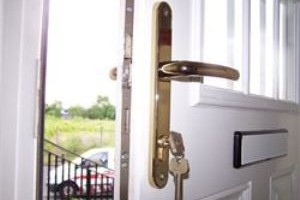
1. Exterior Doors
Exterior doors are the first line of defense versus the components and trespassers. They are usually made from tough products to ensure security and insulation.
- Fiberglass Doors: Durable and energy-efficient, fiberglass doors can imitate the appearance of wood while providing better resistance to weather components.
- Steel Doors: These doors offer high security and are resistant to fire and weathering. They are often utilized in industrial settings but can likewise be ideal for domestic homes.
- Wood Doors: While they offer a gorgeous look, they need more maintenance to avoid warping and damage from wetness.
2. Interior Doors
Interior doors are normally lighter and created to offer personal privacy between spaces.
- Hollow-Core Doors: Cost-effective and lightweight, they are typically used in residential applications.
- Solid-Core Doors: These are much heavier and offer better sound insulation, making them suitable for bed rooms and restrooms.
- Sliding Doors: Ideal for saving area, they can function as space dividers or as closet doors.
3. Specialty Doors
These doors serve specific purposes and can include distinct functions to a home.
- French Doors: These are made from glass panes within a frame, providing a stylish entry to patio areas or gardens while letting in light.
- Bi-Fold Doors: These doors fold back against themselves, making them a great choice for large openings like patio areas or balconies.
- Storm Doors: Additional protective doors set up outside main entrances to provide extra insulation and security.
Kinds of Windows
Like doors, windows come in various types, materials, and designs. The choice of window can affect a home’s energy efficiency, natural light, and visual appeal.
1. Set Windows
Set windows do closed and are normally utilized to supply unobstructed views and natural light.
2. Operable Windows
These are windows that can be opened for ventilation.
- Double Glazing Repair-Hung Windows: Featuring 2 movable sashes that slide up and down, these are flexible and enable air flow.
- Casement Windows: Hinged at one side and crank-open, they provide exceptional ventilation and are typically more energy-efficient than other types.
- Sliding Windows: These windows include two or more sashes that move horizontally.
3. Specialty Windows
Specialized windows consist of distinct shapes or styles that can enhance the architectural visual appeals of a building.
- Bay Windows: Composed of 3 or more windows that extend beyond the exterior wall, they create extra area and a panoramic view.
- Bow Windows: Similar to bay windows but with a curved design, they typically consist of four or more windows.
Products: The Backbone of Doors and Windows
The products utilized in windows and doors affect their resilience, maintenance requirements, and insulation properties. Here are typical materials:
| Material | Description | Pros | Cons |
|---|---|---|---|
| Wood | Timeless, aesthetically pleasing, offered in lots of styles. | Lovely, personalized | Requires maintenance, can warp |
| Vinyl | A popular option for windows due to its sturdiness and low maintenance needs. | Energy effective, simple to keep | Restricted color choices |
| Aluminum | Light-weight and strong, typically used in modern designs. | Resilient, low maintenance | Poor insulation |
| Fiberglass | Very strong and resistant to warping, frequently used for both windows and doors. | Energy effective, low maintenance | Higher initial expense |
| Steel | Very long lasting and often used for security doors. | High security | Prone to rust |
Aspects to Consider When Choosing Doors and Windows
Choosing the best windows and doors includes thoughtful consideration of different aspects:
- Energy Efficiency: Look for items ranked by the ENERGY STAR label to ensure energy efficiency and savings on heating & cooling expenses.
- Security Features: Consider locking mechanisms and materials to guarantee the security of your home.
- Visual appeals: Choose styles and colors that complement the total style of your home.
- Performance: Think about how frequently you will need to open and close the doors and windows and select accordingly.
- Budget plan: Establish a budget plan for your job and research options within your cost variety.
Frequently asked questions about Doors and Windows
What is the average life expectancy of windows and doors?
The lifespan differs by material, but generally:
- Wood doors: 15-30 years
- Steel doors: 20 years
- Vinyl windows: 20-40 years
How can I make my windows more energy-efficient?
Setting up double-glazed or triple-glazed windows, adding window movies, and using good-quality weather stripping can considerably enhance energy efficiency.
Do I require a permit to set up new doors or windows?
Inspect local building codes, as permits may be required, particularly for structural modifications.

What is a door’s R-value, and why is it important?
The R-value determines thermal resistance, showing how well a door or window can insulate. A higher R-value suggests better insulation and energy efficiency.
Doors and windows are important elements of any building, serving in functions that extend beyond aesthetics. By understanding the various materials, types, and features offered, property owners can make educated choices that improve the appeal, security, and energy effectiveness of their areas. Whether choosing doors for their strength or windows for their light, these architectural components contribute substantially to the general convenience and worth of a home.